BUD is up today in early morning trading.
Poolside, 9:58 a.m. -- enjoying the sun. Photo from the other evening. His mate has laid her eggs. They now share duties but it's she that is on the nest almost 24/7. He's taking a break. Later, he was joined by another male. This one "owns" this pool. The other was visiting.


Success! It took me three days, but finally completed. In ink.

Poolside, 9:58 a.m. -- enjoying the sun. Photo from the other evening. His mate has laid her eggs. They now share duties but it's she that is on the nest almost 24/7. He's taking a break. Later, he was joined by another male. This one "owns" this pool. The other was visiting.

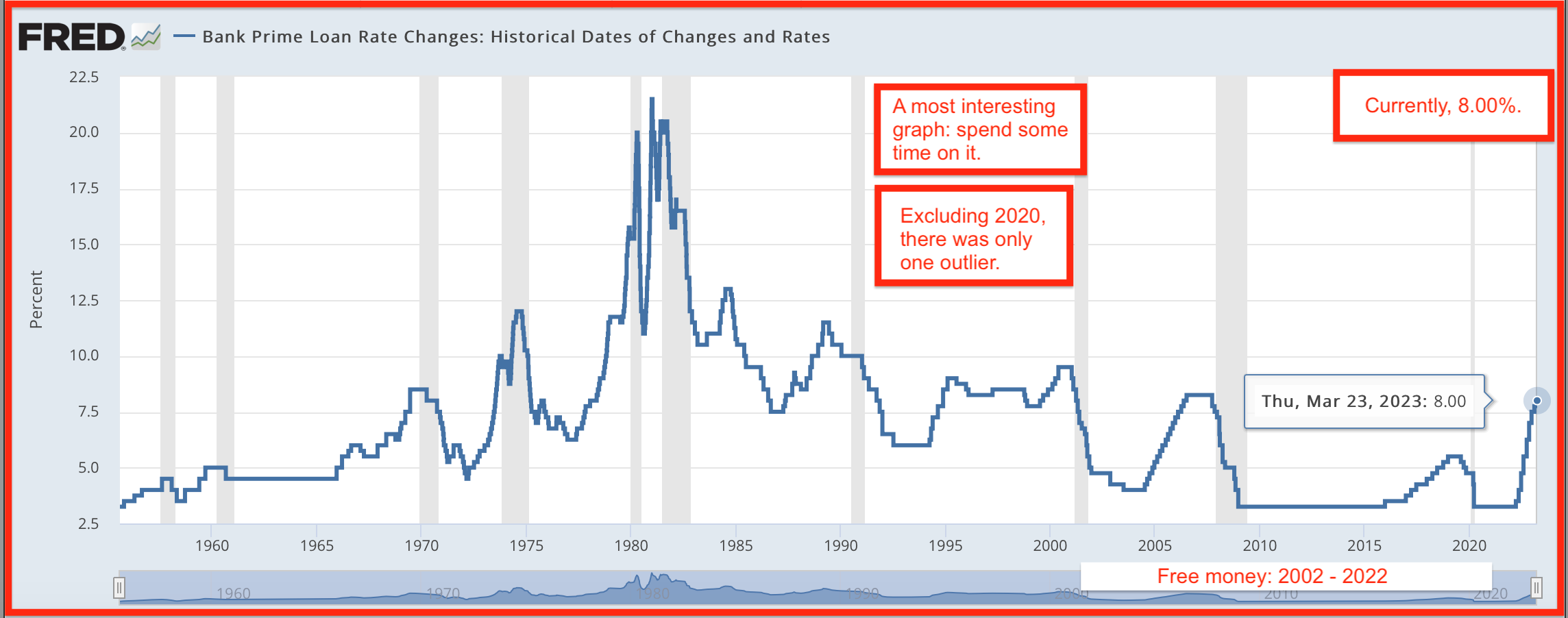
TThe Fed considers a pause.
The market seems not to care. JPow writes that the "banking crisis" will push the US into recession later this year. Let's look at context. Link here.
US market open: traders agree -- the Fed will pause.
Not on my bingo card today, not even close:

******************************
Summer Reading Program To Commence Shortly
My 2022 - 2023 winter reading program.
Summer reading program: May 1, 2023 - September 30, 2023.
Will include the 50th anniversary edition:

Success! It took me three days, but finally completed. In ink.


